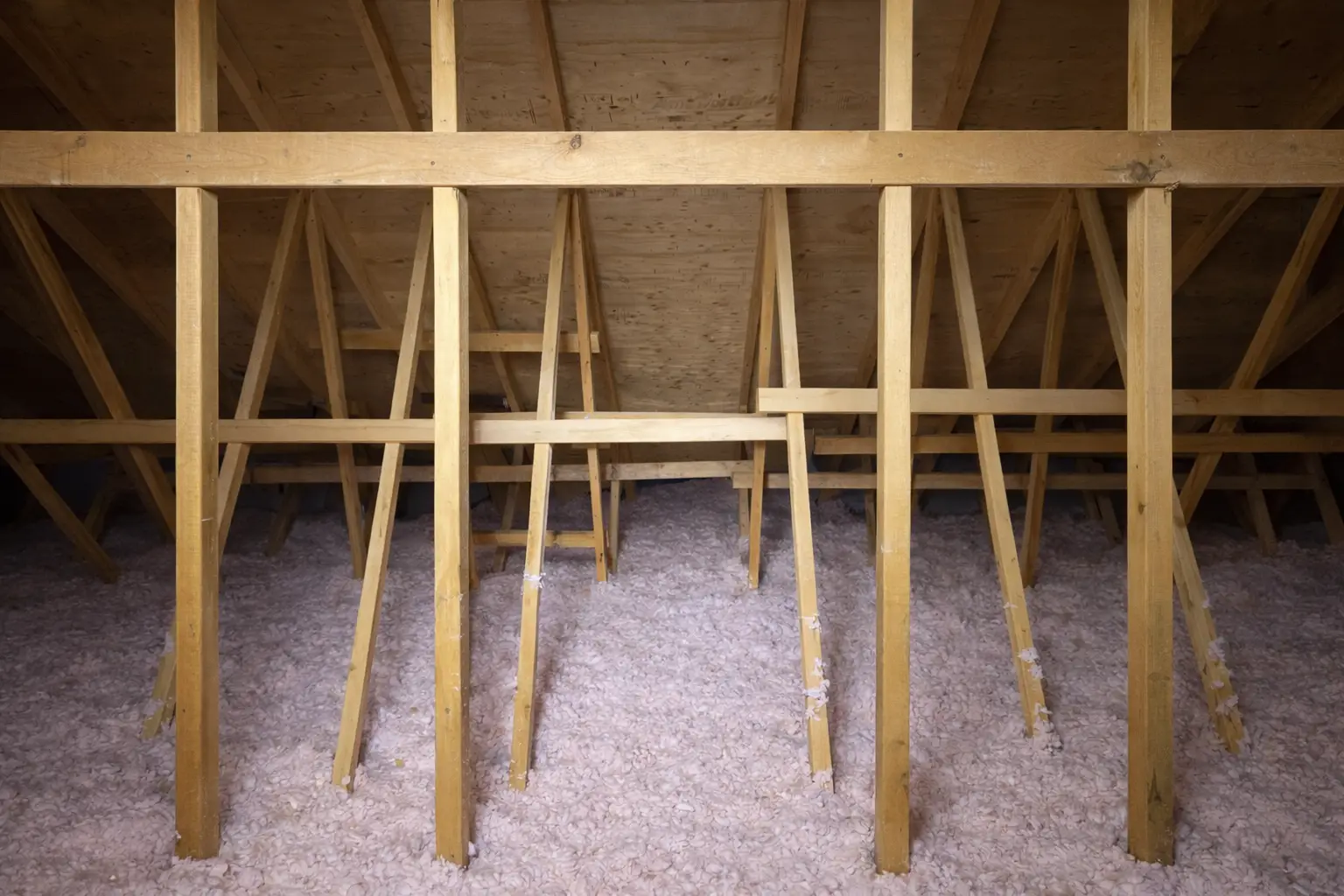
Most of the upgrades that make an Ontario home warmer in winter are also upgrades the province will help you pay for. That is not a coincidence. Rebate programs reward the work that cuts heat loss, and attic insulation sits at the top of that list.
This guide covers both halves: what makes a house warmer, and which of those jobs come with money back. Rebate details below are as listed on the program’s website in October 2026. Programs change, so confirm the current terms before you book.
The program in one paragraph
Ontario’s main home energy rebate is the Home Renovation Savings program, delivered by Enbridge Gas and Save on Energy with support from the Ontario government. It has two paths. One covers single upgrades with no home energy assessment. The other covers two or more upgrades and requires an assessment before and after the work.
What makes a home warmer, and what it can earn
| Upgrade | Why it makes the house warmer | Rebate listed | Assessment needed? |
|---|---|---|---|
| Attic insulation (standalone) | Stops heat passing through the top-floor ceiling | $800 to $1,250 | No |
| Cathedral ceiling or flat roof insulation (standalone) | Same job where there is no open attic | $650 to $750 | No |
| Attic insulation (bundled) | As above, as part of a larger project | $900 to $1,500 | Yes |
| Exterior wall insulation | Warms rooms along outside walls | $1,200 to $3,600 | Yes |
| Basement wall insulation | Warms the basement and the floor above | $900 to $1,500 | Yes |
| Foundation header (rim joist) insulation | Closes a common source of drafts and cold floors | $300 | Yes |
| Exposed floor insulation | Warms rooms over a garage or overhang | $300 | Yes |
| Air sealing | Cuts drafts through the whole house | $200 to $250 | Yes |
On the bundled path, insulation rebates can add up to a maximum of $7,700.
Start with attic insulation
The attic is the usual first step for three reasons: it is easy to reach, the work is typically done in a day, and it is the only insulation upgrade with a rebate that needs no energy assessment.
How the standalone attic rebate works
The amount depends on how much insulation you have now. In every case the attic must be brought up to at least R-50.
| Insulation before the upgrade | Maximum rebate |
|---|---|
| R-12 or less | $1,250 |
| More than R-12, up to R-25 | $1,000 |
| More than R-25, up to R-35 | $800 |
The whole roof area has to be insulated to qualify, and the work must be done by a contractor participating in the program. See the program’s attic insulation page for the full rules.
Do it properly while you are up there
A rebate pays for depth. Comfort also depends on two things that happen before the insulation goes in.
- Air sealing. Natural Resources Canada’s Roofs and attics guide says air leaks around chimneys, vents, plumbing pipes and electrical boxes can account for substantial heat loss and lead to moisture problems.
- Ventilation. Soffit vents must stay clear so moisture can escape from a colder, better-insulated attic.
If the existing insulation is wet or mouldy, the moisture source needs fixing first. Loose grey-brown granules may be vermiculite, which should be left undisturbed until it has been assessed.
Then look lower in the house
Natural Resources Canada notes that basements and uninsulated walls can lose more heat than a typical attic. If your attic is already in good shape and the house is still cold, the bundled path is where the larger rebates are.
It works like this:
- Book an initial home energy assessment before any work begins.
- Review the report and choose at least two recommended upgrades.
- Have the work completed.
- Book a follow-up assessment with the same energy advisor.
- Receive your rebates after the advisor submits the paperwork.
The order matters. Work started before the first assessment does not count. Details are on the program’s energy assessment page.
Who qualifies
According to the program, you must:
- Own the home.
- Either be an Enbridge Gas customer who heats mainly with a natural gas furnace or boiler, or be connected to Ontario’s electricity grid and heat with electricity, oil, propane or wood.
- Live in a detached or semi-detached house, a row house or townhome, or a mobile home on a permanent foundation.
Stacked townhomes do not qualify, and neither do new builds that have been occupied for six months or less. A home that has already received an attic insulation rebate through these programs is not eligible for another. Not sure where you stand? Try our rebate eligibility quiz.
Four mistakes that cost people the rebate
- Starting work first. On the bundled path, the assessment comes before anything else.
- Using a contractor who is not in the program. The standalone attic rebate is only paid for work by a participating contractor. Ask any contractor, including us, to confirm their status before you sign.
- Insulating only part of the attic. The full roof area has to be done.
- Trusting an unverified offer. The program warns about fake websites and people impersonating participating contractors. Its scam guidance explains what to watch for.
Free and low-cost ways to stay warmer
No rebate here, but no real cost either.
- Weatherstrip exterior doors and the attic hatch.
- Caulk gaps around window and door trim.
- Replace the furnace filter and keep heat registers clear.
- Open curtains on sunny days and close them at dusk.
What is the upgrade worth beyond the rebate?
The U.S. EPA estimates that air sealing and adding insulation in attics, floors over crawl spaces and basements saves an average of 15% on heating and cooling costs (ENERGY STAR). That is a modelled average for typical U.S. homes, so use it as a rough guide. The program itself does not guarantee savings in any individual case.
Rebate guides by city
The program is province-wide, but we have written local guides for homeowners in:
- Toronto and Scarborough
- Mississauga, Brampton, Oakville and Milton
- Markham, Richmond Hill and Newmarket
- Ajax and Oshawa
- Hamilton, Barrie and Peterborough
Next step
Read our overview of the home renovation rebate, take the eligibility quiz, or contact us to have your attic looked at before winter.